
Robotic Gynecologic Surgery: Benefits, Recovery & Who Needs It?
Dr Anusha Reddy
July 20, 2026
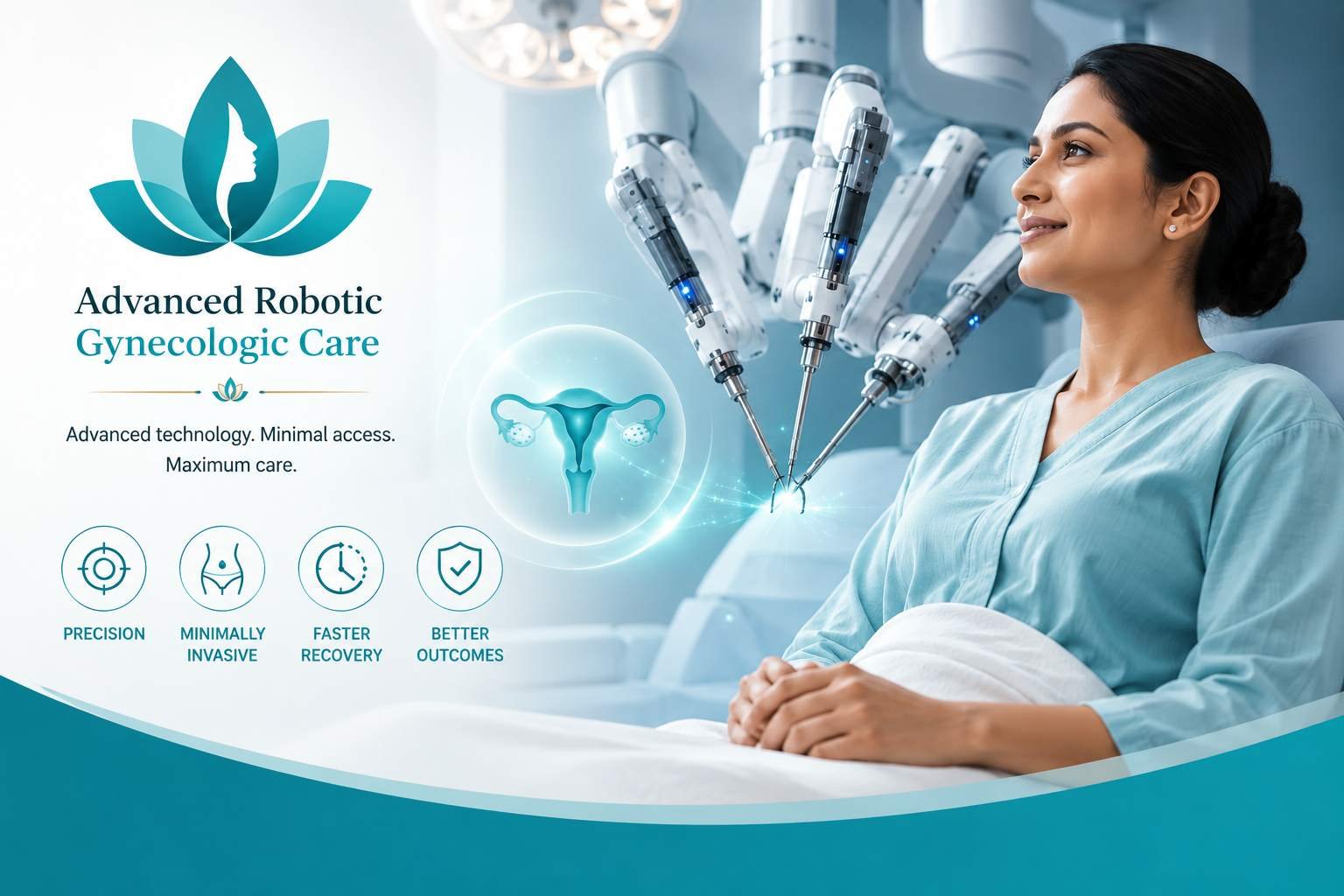
Advancements in medical technology have transformed the way many gynecological conditions are treated. One of the most significant innovations is robotic-assisted gynecologic surgery, a minimally invasive approach that offers greater precision, smaller incisions, and faster recovery for eligible patients.
At Mikya Align Women’s Health & Wellness, we are committed to providing advanced surgical care using modern techniques that prioritize safety, comfort, and better patient outcomes.
If you’re wondering whether robotic surgery is the right choice for you, this guide explains everything you need to know.
What Is Robotic Gynecologic Surgery?
Robotic gynecologic surgery is a minimally invasive surgical technique where the surgeon controls advanced robotic instruments from a specialized console.
Despite its name, the robot does not perform the surgery independently. Every movement is guided by the surgeon, whose hand motions are translated into highly precise, controlled movements of tiny surgical instruments.
The system also provides a high-definition 3D view, allowing greater visibility during complex procedures.
Conditions That Can Be Treated with Robotic Surgery
Robotic-assisted surgery may be considered for several gynecological conditions, including:
- Uterine Fibroids
- Endometriosis
- Ovarian Cysts
- Adenomyosis
- Pelvic Organ Prolapse
- Abnormal Uterine Bleeding
- Selected Gynecologic Cancers
- Hysterectomy (Uterus Removal)
- Myomectomy (Fibroid Removal)
Not every patient requires robotic surgery. Your doctor will recommend the most appropriate treatment after evaluating your condition.
Benefits of Robotic Gynecologic Surgery
Smaller Incisions
Instead of a large surgical cut, robotic surgery uses tiny incisions, which often result in less tissue damage and improved cosmetic healing.
Greater Precision
The robotic system provides enhanced dexterity and stability, allowing surgeons to perform delicate procedures with greater control.
Less Blood Loss
Minimally invasive techniques are often associated with reduced blood loss during surgery.
Reduced Pain
Many patients experience less postoperative discomfort compared with traditional open surgery.
Faster Recovery
Smaller incisions often allow patients to resume their normal activities sooner, depending on the type of procedure and individual recovery.
Shorter Hospital Stay
Many robotic procedures may require a shorter hospital stay compared with open surgery, although this varies by patient and procedure.
Minimal Scarring
Small incisions generally result in less noticeable scars, which many patients appreciate.
Is Robotic Surgery Safe?
Robotic-assisted surgery is widely used around the world and has become an important option for many gynecological procedures.
When performed by a trained and experienced surgeon, it is considered a safe approach for appropriately selected patients.
Every surgical procedure has potential risks, so your doctor will discuss the benefits and possible complications before surgery.
Who Is a Good Candidate?
You may be considered for robotic surgery if you have:
- Large uterine fibroids
- Severe endometriosis
- Recurrent ovarian cysts
- Heavy menstrual bleeding requiring surgery
- Certain gynecological cancers
- Pelvic organ prolapse
- A condition requiring hysterectomy
Your eligibility depends on:
- Medical history
- Overall health
- Previous surgeries
- Body weight
- Severity of the condition
- Clinical examination and imaging results
A consultation is essential to determine the most suitable treatment approach.
What Happens During the Procedure?
The typical process includes:
Before Surgery
- Medical evaluation
- Blood tests and imaging (if required)
- Discussion of the surgical plan
- Fasting instructions before the procedure
During Surgery
- General anesthesia is administered.
- Small keyhole incisions are made.
- Robotic instruments are carefully positioned.
- The surgeon performs the operation using a robotic console and 3D visualization.
After Surgery
Patients are monitored during recovery before returning to their room. Recovery plans vary depending on the procedure performed.
Recovery After Robotic Surgery
Recovery differs for every individual, but many patients experience:
- Less postoperative pain
- Earlier walking after surgery
- Smaller scars
- Gradual return to daily activities
- Follow-up appointments to monitor healing
Your surgeon will provide personalized guidance on activity, wound care, medications, and recovery timelines.
Robotic Surgery vs Traditional Open Surgery
| Feature | Robotic Surgery | Traditional Open Surgery |
|---|---|---|
| Incision Size | Small | Larger |
| Precision | Enhanced | Standard |
| Blood Loss | Often Reduced | May Be Greater |
| Pain | Often Less | May Be More |
| Hospital Stay | Often Shorter | Usually Longer |
| Recovery | Generally Faster | Usually Longer |
| Scarring | Minimal | More Noticeable |
The most appropriate approach depends on your medical condition and your surgeon’s assessment.
Common Myths About Robotic Surgery
Myth 1: The Robot Operates on Its Own
False.
The surgeon remains in complete control throughout the procedure.
Myth 2: Robotic Surgery Is Experimental
False.
Robotic-assisted surgery has been used worldwide for many years and is an established option for selected procedures.
Myth 3: Everyone Needs Robotic Surgery
False.
Some conditions are better treated with laparoscopy, traditional surgery, or non-surgical management. Treatment is individualized.
Why Choose Mikya Align for Advanced Gynecologic Surgery?
At Mikya Align Women’s Health & Wellness, our approach combines advanced technology with compassionate care.
Our focus includes:
- Personalized surgical planning
- Minimally invasive treatment options
- Patient-centered care
- Evidence-based medical decisions
- Comprehensive pre- and post-operative support
- Comfortable recovery experience
- Dedicated women’s healthcare expertise
Every treatment plan is designed with your individual needs and long-term well-being in mind.
Frequently Asked Questions
Is robotic surgery painful?
Most patients report less postoperative discomfort compared with traditional open surgery, although individual experiences vary.
How long does robotic surgery take?
The duration depends on the type and complexity of the procedure. Your surgeon will discuss expected operating times during your consultation.
Will I have visible scars?
Robotic surgery uses small incisions, which generally result in smaller, less noticeable scars than open surgery.
Is robotic surgery covered by insurance?
Coverage depends on your insurance provider and policy. Our team can assist you in understanding your benefits and available options.
How soon can I return to work?
Recovery varies depending on the procedure and your overall health. Your surgeon will provide guidance on when it is safe to resume work and daily activities.
Take the Next Step Toward Advanced Women’s Healthcare
If you’re living with fibroids, endometriosis, ovarian cysts, heavy menstrual bleeding, or another gynecological condition, modern minimally invasive surgery may be an option.
At Mikya Align Women’s Health & Wellness, we combine advanced robotic technology with compassionate, individualized care to help you recover with confidence.
Schedule a consultation today to learn whether robotic gynecologic surgery is the right choice for you.