
Robotic Gynecologic Surgery: Benefits, Recovery & Who Needs It?
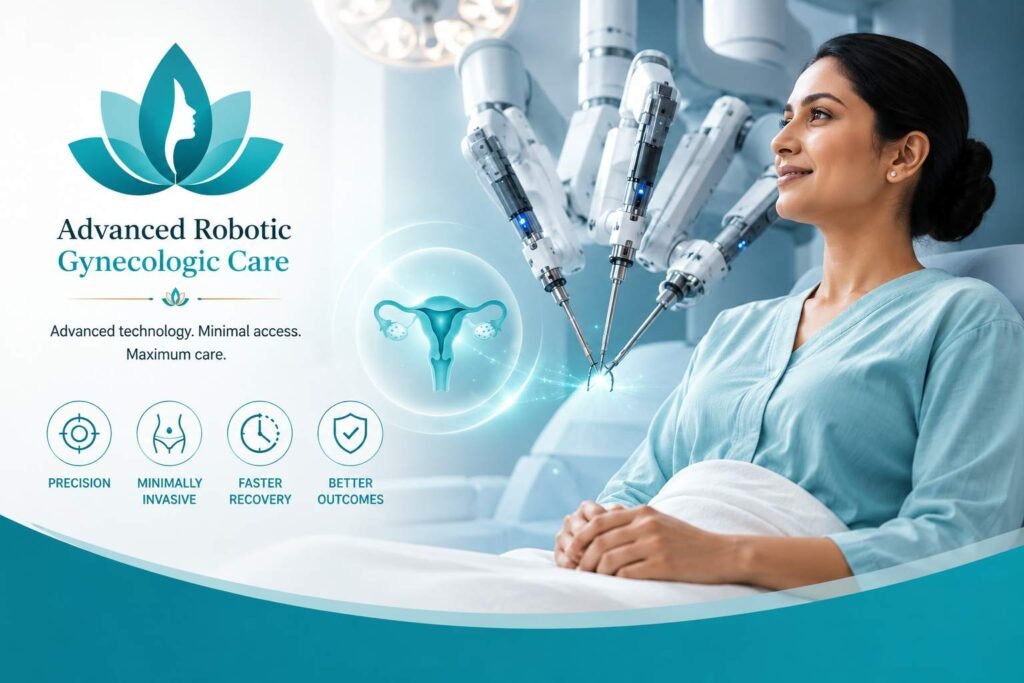
Normal Delivery vs C-Section: Which Is Right for You? Copy Dr Anusha Reddy July 20, 2026 Advancements in medical technology have transformed the way many gynecological conditions are treated. One of the most significant innovations is robotic-assisted gynecologic surgery, a minimally invasive approach that offers greater precision, smaller incisions, and faster recovery for eligible patients. At Mikya Align Women’s Health & Wellness, we are committed to providing advanced surgical care using modern techniques that prioritize safety, comfort, and better patient outcomes. If you’re wondering whether robotic surgery is the right choice for you, this guide explains everything you need to know. What Is Robotic Gynecologic Surgery? Robotic gynecologic surgery is a minimally invasive surgical technique where the surgeon controls advanced robotic instruments from a specialized console. Despite its name, the robot does not perform the surgery independently. Every movement is guided by the surgeon, whose hand motions are translated into highly precise, controlled movements of tiny surgical instruments. The system also provides a high-definition 3D view, allowing greater visibility during complex procedures. Conditions That Can Be Treated with Robotic Surgery Robotic-assisted surgery may be considered for several gynecological conditions, including: Uterine Fibroids Endometriosis Ovarian Cysts Adenomyosis Pelvic Organ Prolapse Abnormal Uterine Bleeding Selected Gynecologic Cancers Hysterectomy (Uterus Removal) Myomectomy (Fibroid Removal) Not every patient requires robotic surgery. Your doctor will recommend the most appropriate treatment after evaluating your condition. Benefits of Robotic Gynecologic Surgery Smaller Incisions Instead of a large surgical cut, robotic surgery uses tiny incisions, which often result in less tissue damage and improved cosmetic healing. Greater Precision The robotic system provides enhanced dexterity and stability, allowing surgeons to perform delicate procedures with greater control. Less Blood Loss Minimally invasive techniques are often associated with reduced blood loss during surgery. Reduced Pain Many patients experience less postoperative discomfort compared with traditional open surgery. Faster Recovery Smaller incisions often allow patients to resume their normal activities sooner, depending on the type of procedure and individual recovery. Shorter Hospital Stay Many robotic procedures may require a shorter hospital stay compared with open surgery, although this varies by patient and procedure. Minimal Scarring Small incisions generally result in less noticeable scars, which many patients appreciate. Is Robotic Surgery Safe? Robotic-assisted surgery is widely used around the world and has become an important option for many gynecological procedures. When performed by a trained and experienced surgeon, it is considered a safe approach for appropriately selected patients. Every surgical procedure has potential risks, so your doctor will discuss the benefits and possible complications before surgery. Who Is a Good Candidate? You may be considered for robotic surgery if you have: Large uterine fibroids Severe endometriosis Recurrent ovarian cysts Heavy menstrual bleeding requiring surgery Certain gynecological cancers Pelvic organ prolapse A condition requiring hysterectomy Your eligibility depends on: Medical history Overall health Previous surgeries Body weight Severity of the condition Clinical examination and imaging results A consultation is essential to determine the most suitable treatment approach. What Happens During the Procedure? The typical process includes: Before Surgery Medical evaluation Blood tests and imaging (if required) Discussion of the surgical plan Fasting instructions before the procedure During Surgery General anesthesia is administered. Small keyhole incisions are made. Robotic instruments are carefully positioned. The surgeon performs the operation using a robotic console and 3D visualization. After Surgery Patients are monitored during recovery before returning to their room. Recovery plans vary depending on the procedure performed. Recovery After Robotic Surgery Recovery differs for every individual, but many patients experience: Less postoperative pain Earlier walking after surgery Smaller scars Gradual return to daily activities Follow-up appointments to monitor healing Your surgeon will provide personalized guidance on activity, wound care, medications, and recovery timelines. Robotic Surgery vs Traditional Open Surgery Feature Robotic Surgery Traditional Open Surgery Incision Size Small Larger Precision Enhanced Standard Blood Loss Often Reduced May Be Greater Pain Often Less May Be More Hospital Stay Often Shorter Usually Longer Recovery Generally Faster Usually Longer Scarring Minimal More Noticeable The most appropriate approach depends on your medical condition and your surgeon’s assessment. Common Myths About Robotic Surgery Myth 1: The Robot Operates on Its Own False. The surgeon remains in complete control throughout the procedure. Myth 2: Robotic Surgery Is Experimental False. Robotic-assisted surgery has been used worldwide for many years and is an established option for selected procedures. Myth 3: Everyone Needs Robotic Surgery False. Some conditions are better treated with laparoscopy, traditional surgery, or non-surgical management. Treatment is individualized. Why Choose Mikya Align for Advanced Gynecologic Surgery? At Mikya Align Women’s Health & Wellness, our approach combines advanced technology with compassionate care. Our focus includes: Personalized surgical planning Minimally invasive treatment options Patient-centered care Evidence-based medical decisions Comprehensive pre- and post-operative support Comfortable recovery experience Dedicated women’s healthcare expertise Every treatment plan is designed with your individual needs and long-term well-being in mind. Frequently Asked Questions Is robotic surgery painful? Most patients report less postoperative discomfort compared with traditional open surgery, although individual experiences vary. How long does robotic surgery take? The duration depends on the type and complexity of the procedure. Your surgeon will discuss expected operating times during your consultation. Will I have visible scars? Robotic surgery uses small incisions, which generally result in smaller, less noticeable scars than open surgery. Is robotic surgery covered by insurance? Coverage depends on your insurance provider and policy. Our team can assist you in understanding your benefits and available options. How soon can I return to work? Recovery varies depending on the procedure and your overall health. Your surgeon will provide guidance on when it is safe to resume work and daily activities. Take the Next Step Toward Advanced Women’s Healthcare If you’re living with fibroids, endometriosis, ovarian cysts, heavy menstrual bleeding, or another gynecological condition, modern minimally invasive surgery may be an option. At Mikya Align Women’s Health & Wellness, we combine advanced robotic technology with compassionate, individualized care to help you recover with confidence. Schedule a consultation today to learn whether robotic gynecologic
Normal Delivery vs C-Section: Which Is Right for You?

Normal Delivery vs C-Section: Which Is Right for You? Dr Anusha Reddy July 20, 2026 One of the most common questions expectant mothers ask during pregnancy is: “Should I have a normal delivery or a Caesarean section (C-section)?” The truth is that there isn’t a single answer that suits everyone. Every pregnancy is unique, and the safest method of delivery depends on both the mother’s and baby’s health. At Mikya Align Women’s Health & Wellness, we believe in helping mothers make informed decisions through expert guidance, compassionate care, and evidence-based medicine. Let’s understand the differences between normal delivery and C-section so you can approach childbirth with confidence. What Is Normal Delivery? Normal (vaginal) delivery is the natural process of childbirth, where the baby is born through the birth canal without surgical intervention. For most healthy pregnancies, vaginal delivery is considered the preferred option because it allows a quicker recovery and fewer surgical risks. Benefits of Normal Delivery Faster Recovery Most mothers recover more quickly after vaginal delivery and can return to daily activities sooner. Shorter Hospital Stay Hospital discharge usually occurs within 24–48 hours, depending on the mother’s condition. Lower Risk of Infection Since there is no surgical incision, the risk of wound infection is generally lower. Early Breastfeeding Skin-to-skin contact and breastfeeding often begin immediately after birth, supporting early bonding. Better Breathing for Babies Passing through the birth canal helps remove fluid from the baby’s lungs, which may support smoother breathing after delivery. Challenges of Normal Delivery Although normal delivery offers many benefits, it can also involve: Labor pain Vaginal tears Longer labor in first pregnancies Temporary pelvic floor discomfort Modern pain management techniques can help make labor more comfortable. What Is a C-Section? A Caesarean section (C-section) is a surgical procedure in which the baby is delivered through an incision in the mother’s abdomen and uterus. A C-section may be planned in advance or performed as an emergency if concerns arise during labor. When Is a C-Section Recommended? Your doctor may advise a C-section if: The baby is in a breech position. There are multiple pregnancies (twins or more). Labor is not progressing. The baby is showing signs of distress. Placenta previa is present. There has been a previous complicated uterine surgery. Certain maternal medical conditions make vaginal delivery unsafe. The decision is always based on ensuring the safest possible outcome for both mother and baby. Benefits of a C-Section A planned C-section can provide several advantages in appropriate situations: Controlled timing of delivery Reduced risk during certain high-risk pregnancies Safer delivery for babies in abnormal positions Helpful in emergency situations where immediate delivery is needed Recovery After a C-Section Recovery usually takes longer because it is major abdominal surgery. Most mothers require: Hospital stay of 2–4 days Pain management medication Limited heavy lifting for several weeks Gradual return to normal activities With proper postoperative care, most women recover well. Is One Method Safer Than the Other? Both normal delivery and C-section are safe when performed for the right medical reasons. The best delivery method depends on factors such as: Mother’s health Baby’s position Pregnancy complications Previous pregnancies Labor progress Medical history The goal is always a healthy mother and a healthy baby. Can I Plan for a Normal Delivery? Yes. Many women can successfully have a normal delivery with proper prenatal care. Helpful steps include: Regular antenatal check-ups Healthy nutrition Moderate exercise (as advised) Pregnancy yoga Childbirth education classes Maintaining a healthy weight Managing conditions like diabetes or high blood pressure Preparation during pregnancy often improves the chances of a smooth vaginal delivery. Myths About Delivery Myth 1: C-Sections Are Easier Not necessarily. Although labor pain is avoided, recovery after surgery is usually longer than after vaginal birth. Myth 2: Once a C-Section, Always a C-Section Not always. Some women may be candidates for a Vaginal Birth After Caesarean (VBAC), depending on their medical history. Myth 3: Normal Delivery Is Always Better Not in every situation. If complications arise, a timely C-section can save the lives of both mother and baby. How Mikya Align Supports Your Birth Journey Every pregnancy deserves personalized care. At Mikya Align Women’s Health & Wellness, we guide mothers through every stage—from pregnancy planning to postpartum recovery. Our maternity services include: Routine Pregnancy Care High-Risk Pregnancy Management Birth Planning Normal Delivery Caesarean Section Advanced Fetal Monitoring Pain Management During Labor Breastfeeding Guidance Postpartum Care Newborn Support Our focus is on providing safe, compassionate, and evidence-based maternity care for every family. Frequently Asked Questions Which delivery is less painful? Normal delivery involves labor pain, while a C-section involves postoperative surgical pain. Pain management options are available for both. Can I choose a C-section even without medical reasons? In some situations, elective C-sections may be considered after discussing the risks and benefits with your obstetrician. Decisions should always be individualized. How long does recovery take? Most women recover from normal delivery within a few weeks, while recovery after a C-section generally takes longer due to abdominal surgery. Is a C-section safer for the baby? A C-section is safer in specific medical situations, such as fetal distress or abnormal fetal position. For uncomplicated pregnancies, vaginal delivery is often a safe option. Can I have a normal delivery after a previous C-section? Some women may be eligible for a Vaginal Birth After Caesarean (VBAC). Your doctor will assess your previous surgery, current pregnancy, and overall health before making a recommendation. Your Birth Journey, Your Choice—With Expert Guidance Every mother deserves personalized care, clear information, and compassionate support when making decisions about childbirth. Whether your journey leads to a normal delivery or a C-section, the most important outcome is the health and well-being of both mother and baby. At Mikya Align Women’s Health & Wellness, we’re here to support you every step of the way with expert maternity care tailored to your unique pregnancy. Book your pregnancy consultation today and plan your birth with confidence. Tags : Health Share This : Featured News Robotic Gynecologic Surgery: Benefits,
PCOS Symptoms Every Woman Should Never Ignore
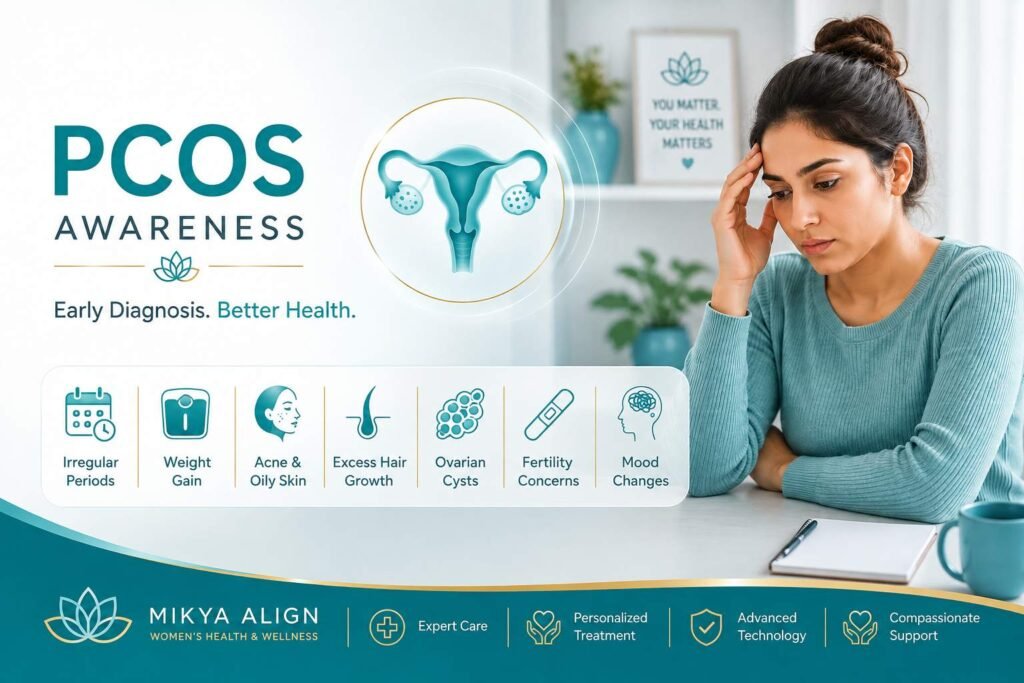
PCOS Symptoms Every Woman Should Never Ignore Dr Anusha Reddy July 20, 2026 Many women experience irregular periods, sudden weight gain, acne, or unwanted facial hair and assume these changes are “normal.” While occasional hormonal changes can happen, persistent symptoms may point to Polycystic Ovary Syndrome (PCOS)—one of the most common hormonal conditions affecting women of reproductive age. The good news is that PCOS can be managed effectively when diagnosed early. At Mikya Align Women’s Health & Wellness, we help women understand their bodies, restore hormonal balance, improve fertility, and lead healthier lives through personalized treatment plans. What is PCOS? Polycystic Ovary Syndrome (PCOS) is a hormonal disorder in which the ovaries produce higher-than-normal levels of androgens (male hormones). This hormonal imbalance can affect ovulation, menstrual cycles, metabolism, skin health, and fertility. Despite its name, not every woman with PCOS develops ovarian cysts. The condition varies from person to person, making early medical evaluation essential. Common Symptoms of PCOS If you experience one or more of the following symptoms regularly, it is important to consult a gynecologist. Irregular or Missed Periods Periods may occur only a few times a year, arrive unpredictably, or stop altogether. Difficulty Getting Pregnant Irregular ovulation is one of the leading causes of infertility in women with PCOS. Weight Gain Many women notice weight gain, especially around the abdomen, even with regular physical activity. Acne and Oily Skin Persistent acne after adolescence is often linked to hormonal imbalance. Excess Facial or Body Hair Increased androgen levels can cause excessive hair growth on the face, chin, chest, abdomen, or back. Hair Thinning Some women notice gradual thinning of scalp hair or hair loss similar to male-pattern baldness. Dark Skin Patches Dark, velvety skin around the neck, underarms, or groin can indicate insulin resistance associated with PCOS. Mood Changes Anxiety, stress, depression, and emotional fluctuations are commonly associated with hormonal imbalance. What Causes PCOS? Although the exact cause is still being studied, several factors contribute to PCOS. Hormonal imbalance Insulin resistance Genetic predisposition Chronic inflammation Lifestyle and obesity Usually, multiple factors work together rather than a single cause. How PCOS Affects Fertility PCOS often prevents the ovaries from releasing an egg regularly. Without regular ovulation: Pregnancy becomes difficult. Egg quality may reduce. Hormonal imbalance increases. Pregnancy complications become more common. Fortunately, many women with PCOS conceive naturally or with appropriate fertility support. Can PCOS Be Cured? There is currently no permanent cure, but PCOS can be managed very effectively. Treatment focuses on: Regulating menstrual cycles Improving ovulation Managing weight Reducing unwanted hair growth Improving fertility Preventing diabetes and heart disease Many women successfully control PCOS through lifestyle modifications combined with medical treatment. Lifestyle Changes That Help Small lifestyle improvements can make a significant difference. Eat a Balanced Diet Choose: High-fiber foods Fresh vegetables Fruits Lean proteins Whole grains Reduce: Sugary drinks Processed foods Refined carbohydrates Exercise Regularly Aim for at least 30–45 minutes of physical activity most days of the week. Even brisk walking improves insulin sensitivity. Maintain a Healthy Weight Losing just 5–10% of body weight may help restore ovulation and improve fertility. Sleep Well Poor sleep affects hormones and insulin resistance. Aim for 7–8 hours of quality sleep daily. Manage Stress Yoga, meditation, and breathing exercises help improve hormonal balance. When Should You Visit a Gynecologist? Book an appointment if you have: Missed periods for more than three months Heavy or prolonged bleeding Difficulty conceiving Severe acne Excess facial hair Rapid weight gain Hair thinning Persistent pelvic pain Early diagnosis leads to better long-term health outcomes. How Mikya Align Helps Women with PCOS At Mikya Align Women’s Health & Wellness, every woman receives individualized care based on her symptoms, lifestyle, and future pregnancy plans. Our approach includes: Comprehensive hormonal evaluation Ultrasound assessment Fertility counseling Personalized nutrition guidance Lifestyle modification support Ovulation management Advanced medical treatment Long-term hormonal health monitoring Our goal is not only to treat PCOS but to improve your overall health, confidence, and quality of life. Frequently Asked Questions Can women with PCOS become pregnant? Yes. Many women with PCOS conceive naturally or with appropriate fertility treatment. Is PCOS a lifelong condition? PCOS is a long-term hormonal condition, but its symptoms can be effectively managed with the right care. Does every woman with PCOS have ovarian cysts? No. Many women diagnosed with PCOS do not have visible ovarian cysts. Can weight loss improve PCOS? Yes. Even modest weight loss often improves ovulation, menstrual regularity, and fertility. Does PCOS increase diabetes risk? Yes. Women with PCOS have a higher risk of insulin resistance and Type 2 diabetes, making regular follow-up important. Take the First Step Towards Better Hormonal Health Ignoring irregular periods or hormonal symptoms can delay diagnosis and affect future fertility. Early care can make a meaningful difference. If you’re experiencing symptoms of PCOS, the specialists at Mikya Align Women’s Health & Wellness are here to provide compassionate, evidence-based care tailored to your needs. Book your consultation today and begin your journey toward balanced hormones, improved fertility, and lifelong women’s wellness. Tags : Health Share This : Featured News PCOS Symptoms Every Woman Should Never IgnoreJuly 20, 2026 10 Signs Every Woman Should Never Ignore: When It’s Time to Visit a GynecologistJuly 20, 2026 Category Health
10 Signs Every Woman Should Never Ignore: When It’s Time to Visit a Gynecologist
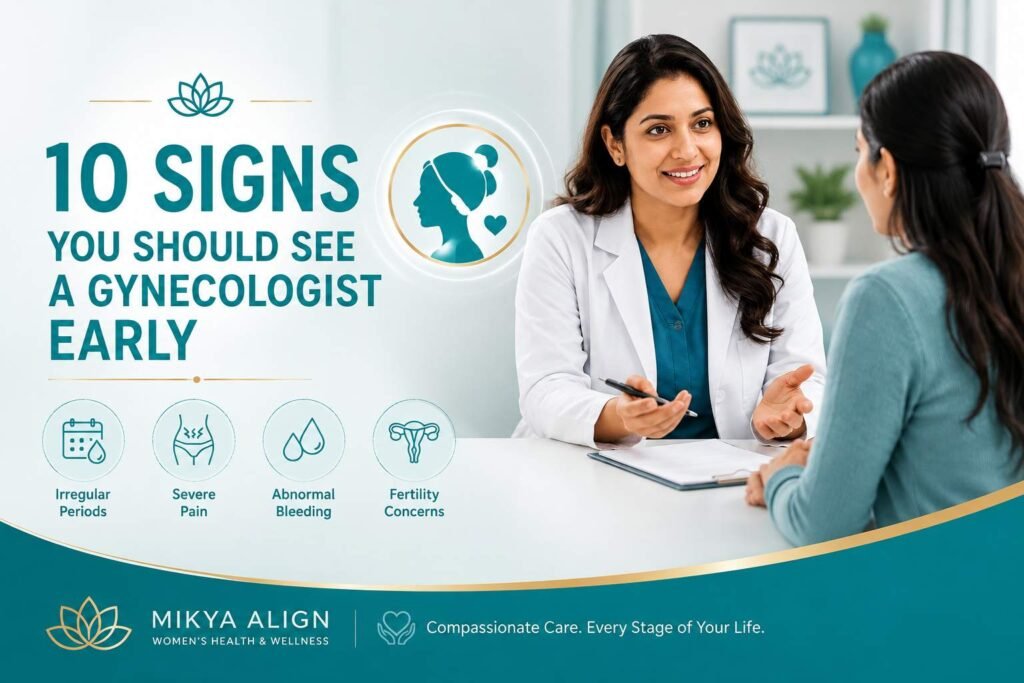
10 Signs Every Woman Should Never Ignore: When It’s Time to Visit a Gynecologist Dr Anusha Reddy July 20, 2026 Women’s health changes throughout life—from adolescence and reproductive years to pregnancy and menopause. While many women seek medical help only when symptoms become severe, early consultation with a gynecologist can prevent complications and improve long-term health. Whether you’re experiencing irregular periods, planning a pregnancy, or simply due for a routine check-up, recognizing the warning signs early is one of the best ways to protect your health. At Mikya Align – Women’s Health & Wellness, we believe that informed women make healthier decisions. Here are ten signs that indicate it’s time to consult a gynecologist. 1. Irregular Menstrual Cycles Although menstrual cycles naturally vary from woman to woman, consistently irregular periods should not be ignored. You should consult a gynecologist if you experience: Periods occurring less than every 21 days or more than every 35 days Missed periods without pregnancy Very heavy bleeding Bleeding lasting longer than seven days Spotting between periods Irregular cycles may indicate conditions such as: PCOS (Polycystic Ovary Syndrome) Thyroid disorders Hormonal imbalance Uterine fibroids Perimenopause Early diagnosis allows timely treatment and helps protect fertility. 2. Severe Menstrual Pain Mild cramping is common during menstruation. However, severe pain that interferes with your daily routine is not considered normal. You should seek medical advice if: Pain prevents you from working or attending school Pain worsens over time Painkillers provide little relief Common causes include: Endometriosis Adenomyosis Fibroids Pelvic inflammatory disease Proper evaluation can identify the underlying cause and improve your quality of life. 3. Abnormal Vaginal Bleeding Unexpected bleeding between menstrual cycles or after menopause should always be evaluated. This includes: Bleeding after sexual intercourse Bleeding after menopause Frequent spotting Heavy bleeding with clots These symptoms may be linked to hormonal changes, infections, polyps, fibroids, or, in some cases, cervical or uterine conditions. Early assessment is essential for appropriate treatment. 4. Unusual Vaginal Discharge or Odor Vaginal discharge naturally changes during different stages of the menstrual cycle. However, consult your gynecologist if you notice: Strong unpleasant odor Green, yellow, or gray discharge Thick cottage cheese-like discharge Persistent itching Burning sensation These symptoms may indicate bacterial or fungal infections that require treatment. 5. Persistent Pelvic Pain Pelvic discomfort lasting for several days or recurring frequently should never be ignored. Possible causes include: Ovarian cysts Endometriosis Fibroids Urinary infections Pelvic inflammatory disease Accurate diagnosis allows effective treatment before complications develop. 6. Pain During Sexual Intercourse Pain during intimacy is not something women should simply accept. Possible reasons include: Vaginal infections Endometriosis Vaginal dryness Pelvic floor disorders Hormonal imbalance Treatment depends on identifying the underlying cause and often improves both physical and emotional well-being. 7. Difficulty Getting Pregnant If you’ve been trying to conceive without success, it may be time for a fertility evaluation. General recommendations include: Under 35 years: Seek evaluation after one year of regular unprotected intercourse. Age 35 or older: Consult after six months. A gynecologist can assess factors such as: Ovulation Hormonal health Fallopian tube function Uterine health Lifestyle influences Early fertility assessment increases treatment options and success rates. 8. Breast Changes Many women first notice breast changes themselves. Consult your doctor if you experience: A new breast lump Nipple discharge Skin dimpling Persistent pain in one area Changes in breast shape Most breast changes are not cancerous, but prompt evaluation provides reassurance and allows early diagnosis when needed. 9. Menopause Symptoms Affecting Daily Life Menopause is a natural stage of life, but symptoms can vary widely. You may benefit from medical advice if you experience: Frequent hot flashes Night sweats Mood changes Vaginal dryness Sleep disturbances Reduced sexual comfort Modern treatment options can significantly improve comfort and quality of life. 10. It’s Time for Your Annual Women’s Health Check-up Even if you feel completely healthy, regular gynecological examinations remain essential. Routine visits help monitor: Cervical health Breast health Menstrual health Hormonal balance Family planning Preventive screening Preventive healthcare often identifies concerns before symptoms develop. Don’t Ignore Your Body’s Signals Many gynecological conditions are easier to treat when detected early. Listening to your body and seeking timely medical advice can prevent unnecessary complications and support lifelong health. Whether you have a specific concern or simply want a routine women’s health check-up, professional guidance provides reassurance and confidence. Why Choose Mikya Align? At Mikya Align – Women’s Health & Wellness, we provide comprehensive care for women at every stage of life. Our services include: Pregnancy Care High-Risk Pregnancy Management Fertility Evaluation PCOS Management Cosmetic Gynecology Sexual Medicine Advanced Laparoscopic Surgery Robotic Gynecologic Surgery Menopause Care Preventive Women’s Health Check-ups Every consultation is centered on compassionate care, evidence-based treatment, and personalized solutions tailored to your individual needs. Tags : Health Share This : Featured News PCOS Symptoms Every Woman Should Never IgnoreJuly 20, 2026 10 Signs Every Woman Should Never Ignore: When It’s Time to Visit a GynecologistJuly 20, 2026 Category Health