
Our Services
Advanced Laparoscopic Surgery
A MINIMALLY INVASIVE APPROACH
Advanced Surgical Care Through Smaller Incisions
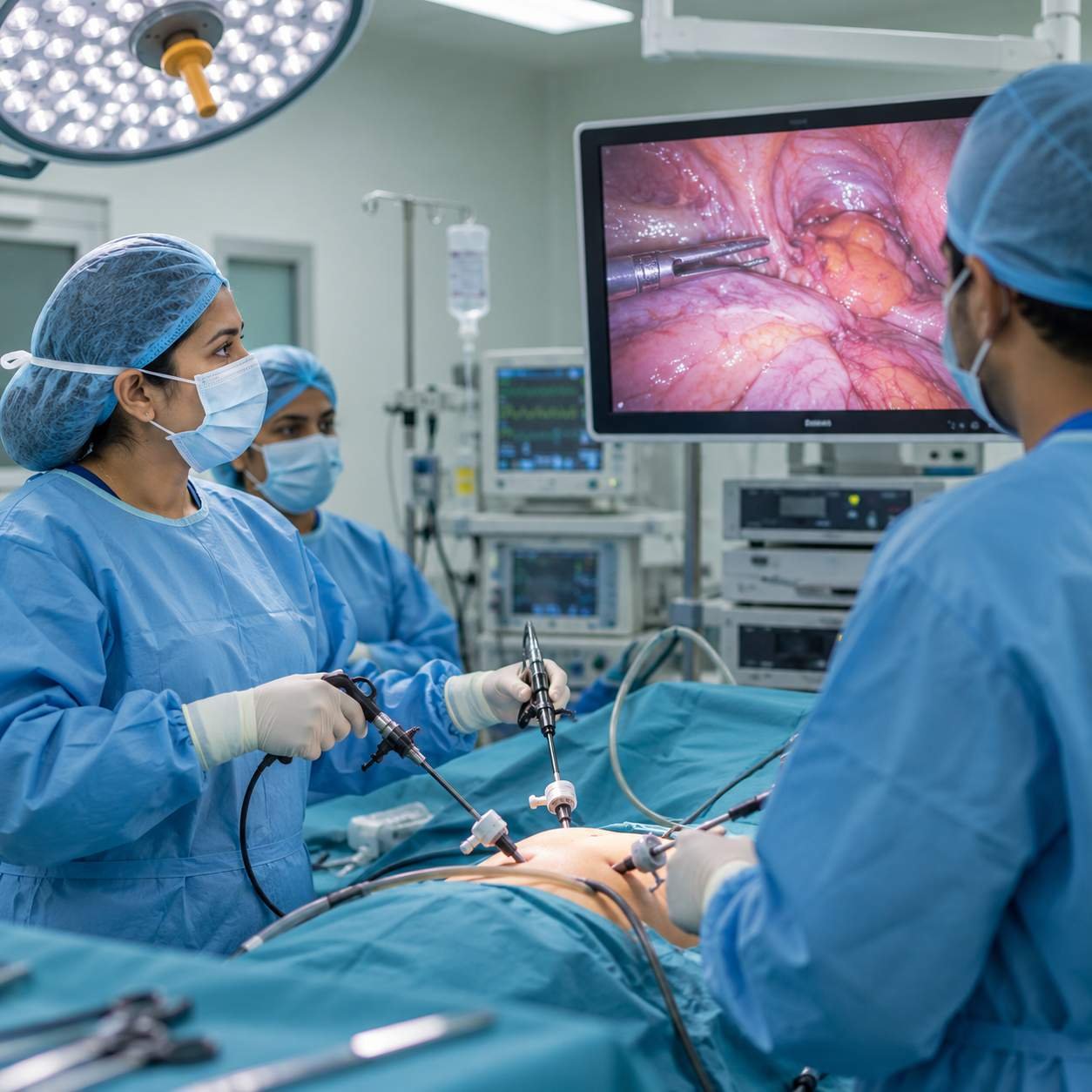
Traditional open surgery may require a larger abdominal incision. Laparoscopic surgery uses small incisions through which a camera and specialised instruments are introduced to access the surgical area.
This minimally invasive approach can be used for many gynaecological procedures and, when appropriate for the individual patient, may offer benefits such as less postoperative discomfort, shorter hospital stays and a faster recovery compared with open surgery.
At Mikya Align, the decision to recommend laparoscopy is based on your diagnosis, medical history, anatomy and overall treatment needs—not simply on the availability of technology.
What Is Laparoscopic Surgery?
Laparoscopy is a minimally invasive surgical technique performed through small abdominal incisions.
A thin camera, called a laparoscope, provides a magnified view of the surgical area on a monitor. Specialised instruments are then used by the surgeon to perform the required procedure through these small access points.
This approach can allow surgeons to operate without the larger incision associated with many traditional open procedures.
-
Small Incisions
Surgery is performed through small access points rather than a large abdominal incision.
-
Clear Surgical Visualisation
A camera provides a magnified view of the surgical field during the procedure.
-
Minimally Invasive Approach
For appropriately selected patients, laparoscopy may support less discomfort and a shorter recovery compared with open surgery.
When Can Advanced Laparoscopy Be Considered?
Endometriosis
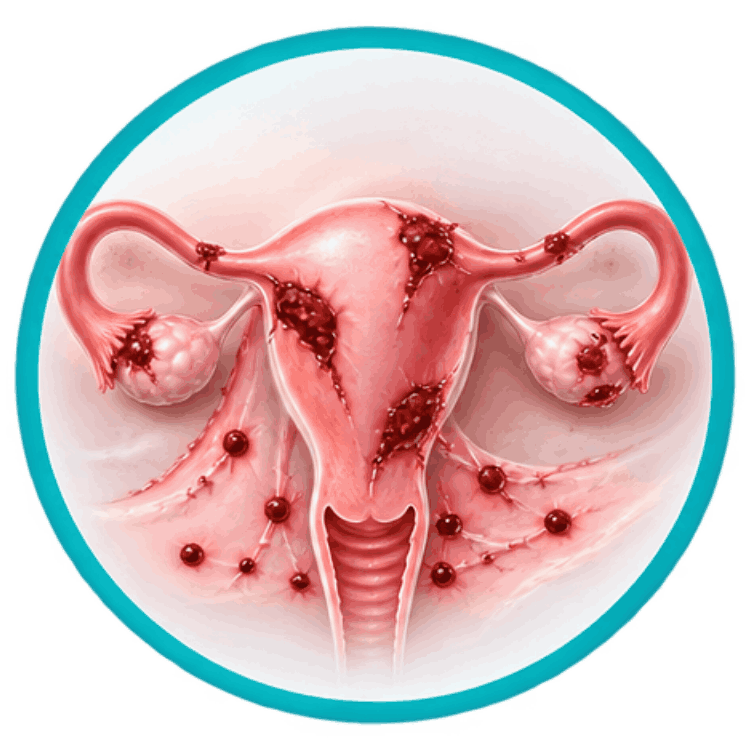
Laparoscopic surgery can be used to diagnose and surgically treat selected cases of endometriosis.
Uterine Fibroids
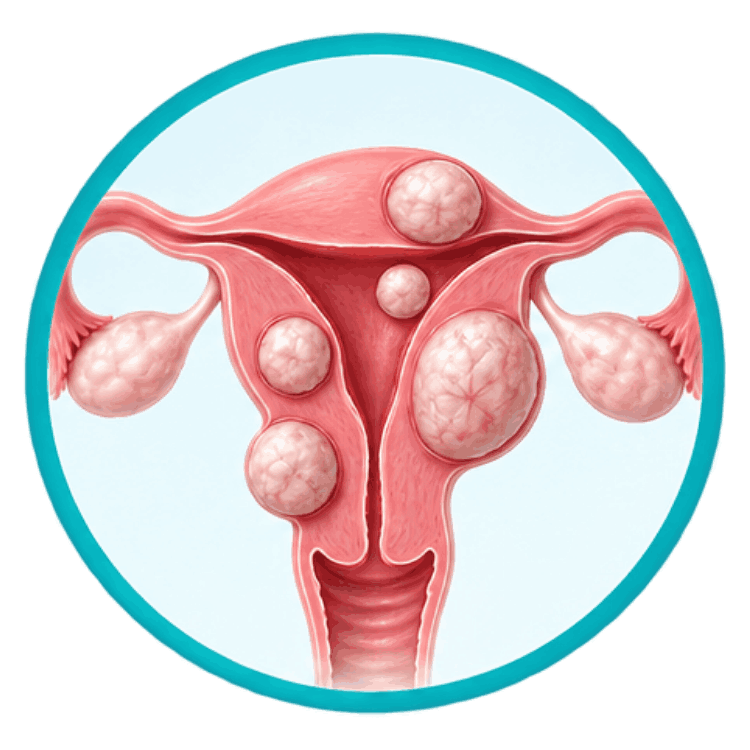
Certain fibroids may be treated using minimally invasive procedures such as laparoscopic myomectomy.
Ovarian Cysts
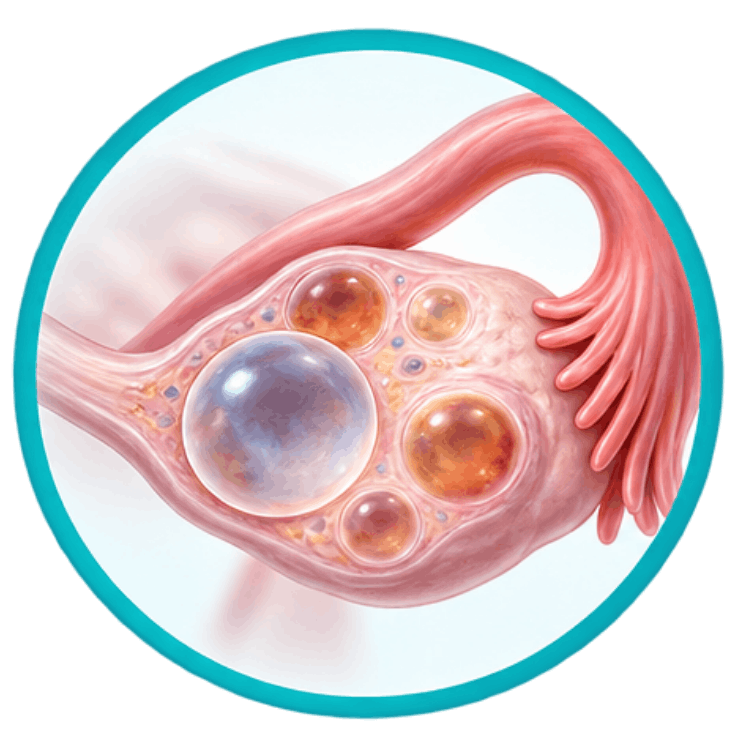
Selected ovarian cysts may require surgical evaluation or removal through a laparoscopic approach.
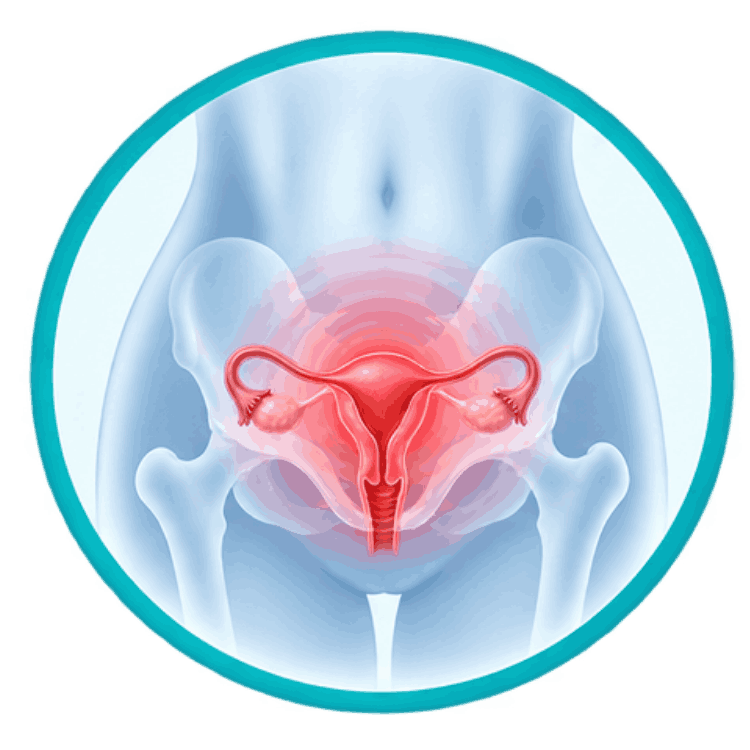
Pelvic Pain
Laparoscopy may help investigate and treat certain structural causes of persistent pelvic pain.
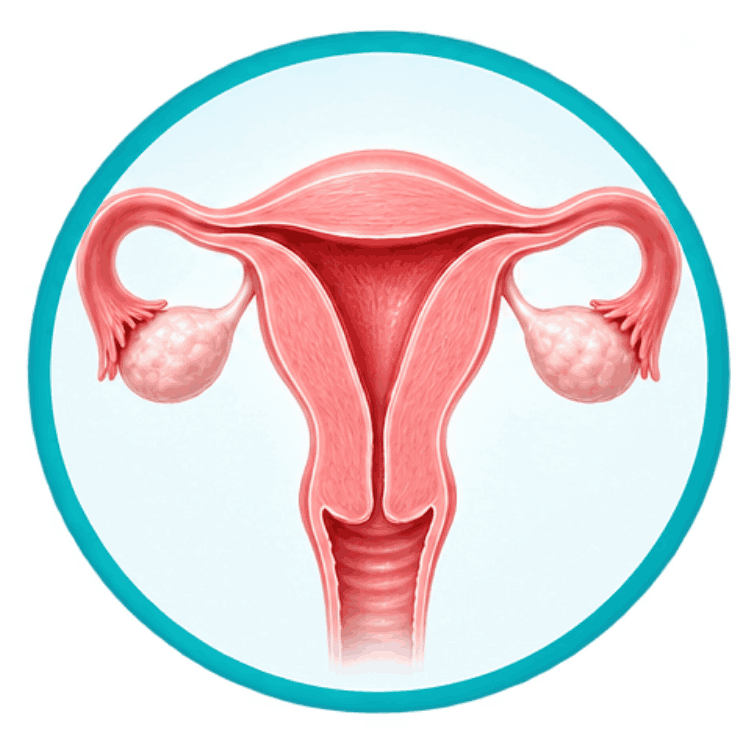
Uterine Conditions
Selected uterine conditions may be treated through laparoscopic procedures, including some hysterectomies.
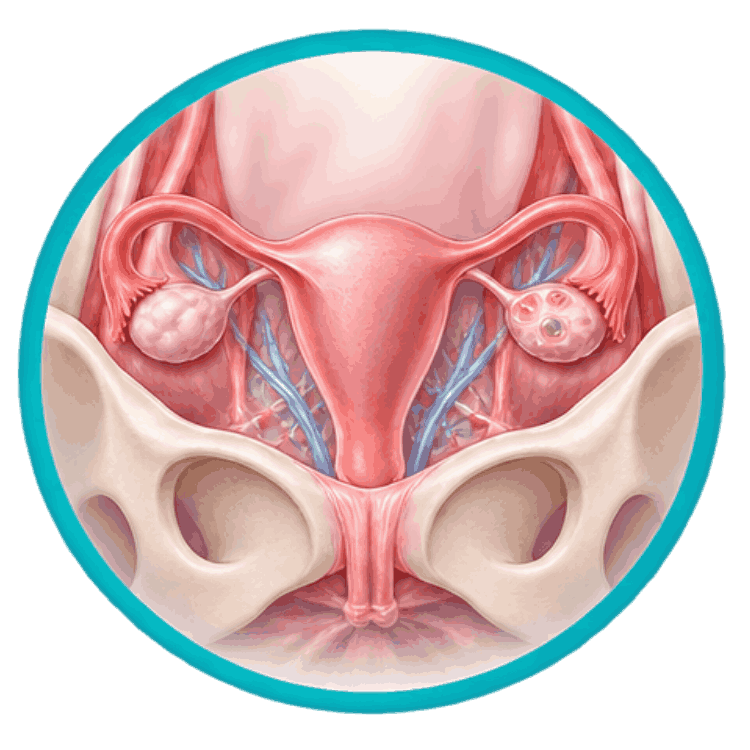
Pelvic & Adnexal Conditions
Certain conditions affecting the pelvis, ovaries or fallopian tubes may be suitable for laparoscopic management.
The Potential Benefits of Advanced Laparoscopy
When laparoscopic surgery is appropriate, smaller surgical access points may provide several advantages compared with traditional open surgery.
-
Smaller Incisions
Laparoscopic procedures generally use small abdominal incisions rather than a larger open incision.
-
Less Postoperative Discomfort
Minimally invasive approaches may result in less postoperative discomfort for many patients.
-
Reduced Blood Loss
Some minimally invasive procedures are associated with less blood loss than open surgery.
-
Shorter Hospital Stay
Many laparoscopic procedures can involve a shorter hospital stay compared with comparable open procedures.
-
Faster Recovery
Many patients can return to normal activities sooner than after traditional open surgery, depending on the procedure and individual recovery.
Laparoscopic vs Open Surgery
| Feature | Advanced Laparoscopy | Open Surgery |
|---|---|---|
| Incisions | Usually smaller | Larger incision |
| Visualisation | Magnified surgical view | Direct/open surgical field |
| Postoperative discomfort | Often less | May be greater |
| Hospital stay | Often shorter | May be longer |
| Recovery | Often quicker | May take longer |
| Scarring | Generally smaller | Generally more noticeable |